
On this page
Abstract
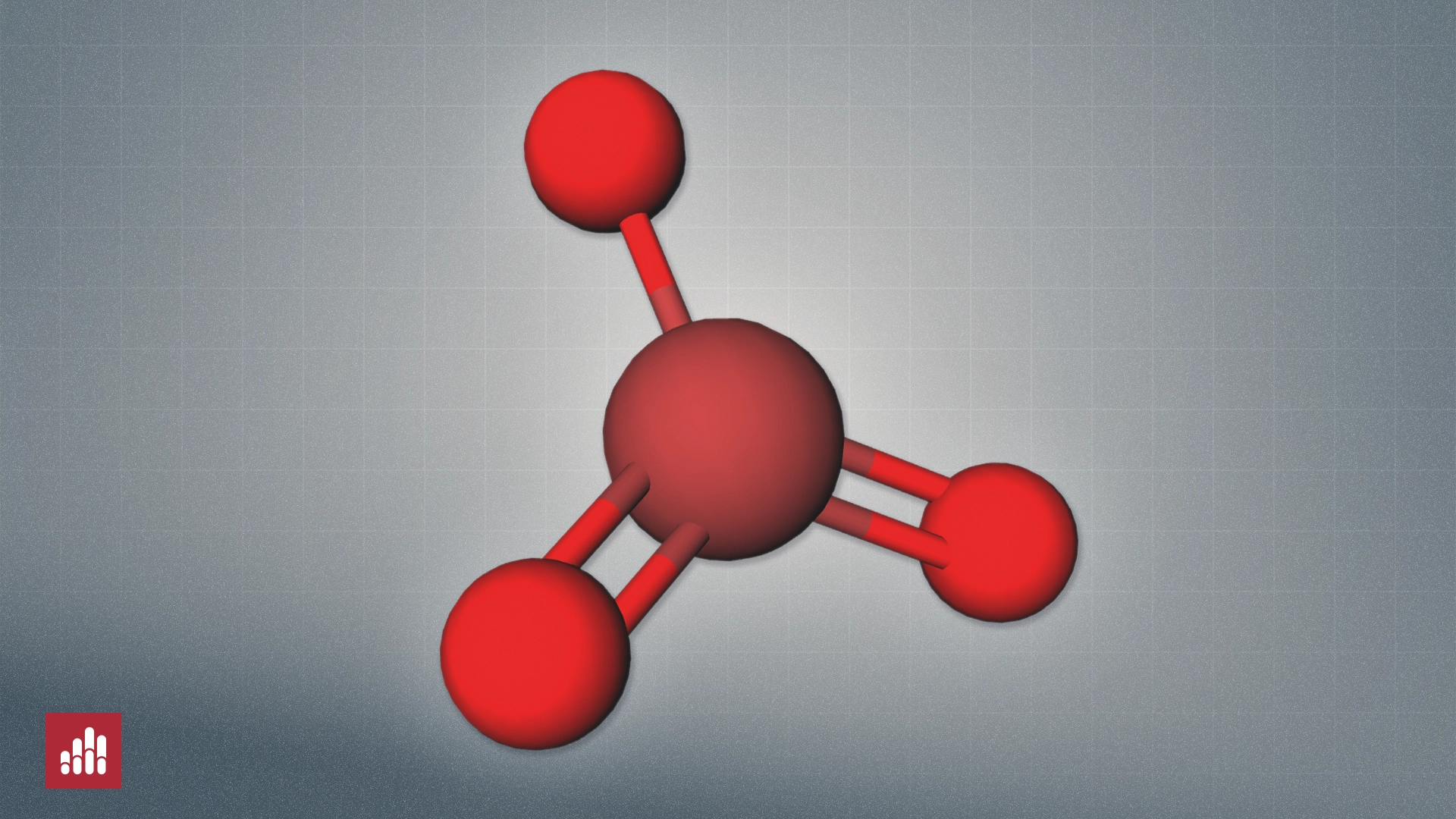
Bromate (BrO3–) formation is a key challenge in ozone-based oxidation of bromide-rich source waters due to its regulatory limits and health concerns. This white paper details a comprehensive investigation into persistent bromate exceedances at a municipal groundwater facility, integrating laboratory ozone demand testing, kinetic modeling, and hydrodynamic analysis. Contrary to initial assumptions, elevated bromate was driven by inadequate contactor mixing and exhausted granular activated carbon (GAC), rather than excessive ozone dose or source water chemistry alone. The paper presents corrective engineering recommendations and validates the approach through a real-world implementation, where a Pinnacle Ozone Solutions system significantly improved water quality metrics at a 4.5 MGD treatment plant. This work provides a roadmap for robust design, process control, and long-term compliance when deploying ozone technologies in municipal groundwater applications.
Introduction
Ozone (O3) is a powerful oxidant with broad utility in potable water treatment, including oxidation of dissolved species such as hydrogen sulfide (H2S), iron, and manganese; mitigation of disinfection by-product precursors; and enhancement of biological filtration performance. However, when bromide (Br–) is present, particularly in groundwater sources with moderate to elevated natural bromide concentrations, oxidation can yield bromate. A regulated disinfection by-product with a 10 µg/L maximum contaminant level (MCL) under U.S. Safe Drinking Water Act criteria.
Municipal groundwater facilities increasingly adopt ozone to address aesthetic and regulatory challenges, but the risk of bromate formation necessitates careful process control. This paper examines a persistent bromate exceedance case and extends the findings to demonstrate how full-scale ozone systems, properly engineered, can improve water quality and operational performance.
Technical Objectives
The investigation pursued these technical objectives:
- Diagnose the root causes of elevated bromate formation at a high-bromide groundwater facility;
- Quantify ozone demand and decay kinetics relevant to site water quality;
- Correlate physical hydraulics and mixing patterns with bromate kinetics;
- Develop operational and design recommendations to limit bromate while maintaining oxidation performance;
- Validate the approach through a full-scale ozone system deployment that improved overall water quality.
Source Water and Treatment Challenges
The facility’s groundwater supply exhibited key attributes common to many deep aquifer sources:
- Moderate to high bromide (170–235 ppb);
- Dissolved organic carbon (DOC) below 2 mg/L;
- Elevated hydrogen sulfide and other reduced species.
Traditional chemical treatment methods struggled with color, odor, and disinfection by-product precursor control, leading to interest in advanced oxidation via ozone.
Methodology
Ozone Demand and Decay Characterization
Bromide-bearing groundwater samples were subjected to bench-scale ozone demand and decay testing using high-concentration ozone stocks, following modified Standard Method 2350D.
Hydrogen Sulfide Spiking and Reactive Demand Quantification
Controlled spiking experiments isolated the demand attributable to H2S and allowed improved kinetic modeling.
Bromate Kinetics Modeling
Empirical ozone–bromide kinetic models projected bromate formation under varying ozone doses, pH, and residence times.
Hydrodynamic Assessment
Probe response lag and turbulence data revealed inefficient mixing, increasing localized ozone exposure and bromate formation.
Results and Diagnostic Insights
Laboratory vs. Field Discrepancies
Lab assays predicted bromate below 5 µg/L, but field levels exceeded 10 µg/L.
Identifying Mixing and GAC Limitations
Low turbulence in contactors and GAC saturation were primary contributors to elevated bromate.
Probe location
The dissolved ozone probe was installed further downstream due to site constraints. Because of the rapid reaction kinetics between ozone and constituents such as hydrogen sulfide and bromide, most reactions occurred well before the probe location.
Engineering Recommendations
Operational Controls
- Reduce ozone residual setpoints to 0.05–0.075 mg/L
- Adjust pH to 7.2–7.3
- Modify valve and flow management to improve mixing
Mid-Term Enhancements
- Install baffles or submersible mixers
- Replace dissolved ozone probes with ORP sensors, strategically installed in-line upstream of the mixing chamber.
- Replace GAC media proactively
Long-Term Strategic Design
- Evaluate side-stream ozone injection designs to enhance total mixing efficiency.
- Integrate real-time kinetic modeling with SCADA
Case Study: Full-Scale Implementation and Outcomes
Following this investigation, a Pinnacle Zenith 30X™ ozone generator system was deployed at the 4.5 MGD facility. Key features included modular QuadBlock® technology, automated ozone-on-demand control, and robust BAC filtration.
Outcomes:
- Nearly complete elimination of color and odor issues
- Bromate levels consistently below MCL
- Energy savings and reduced operational burden through automation
- Zero regulatory violations or operational downtime attributable to bromate exceedance
- Consistently stable and optimized ozone dosing enabled by responsive control architecture
Conclusion
Bromate mitigation in groundwater ozonation requires a comprehensive strategy encompassing chemistry, hydraulics, and control. This paper demonstrates that when engineering, monitoring, and operations are tightly aligned, ozone systems can deliver both regulatory compliance and superior water quality. This case study validates the approach and provides a blueprint for similar utilities seeking high-performance ozone implementation.
