Bromate Control in High Bromide Groundwater
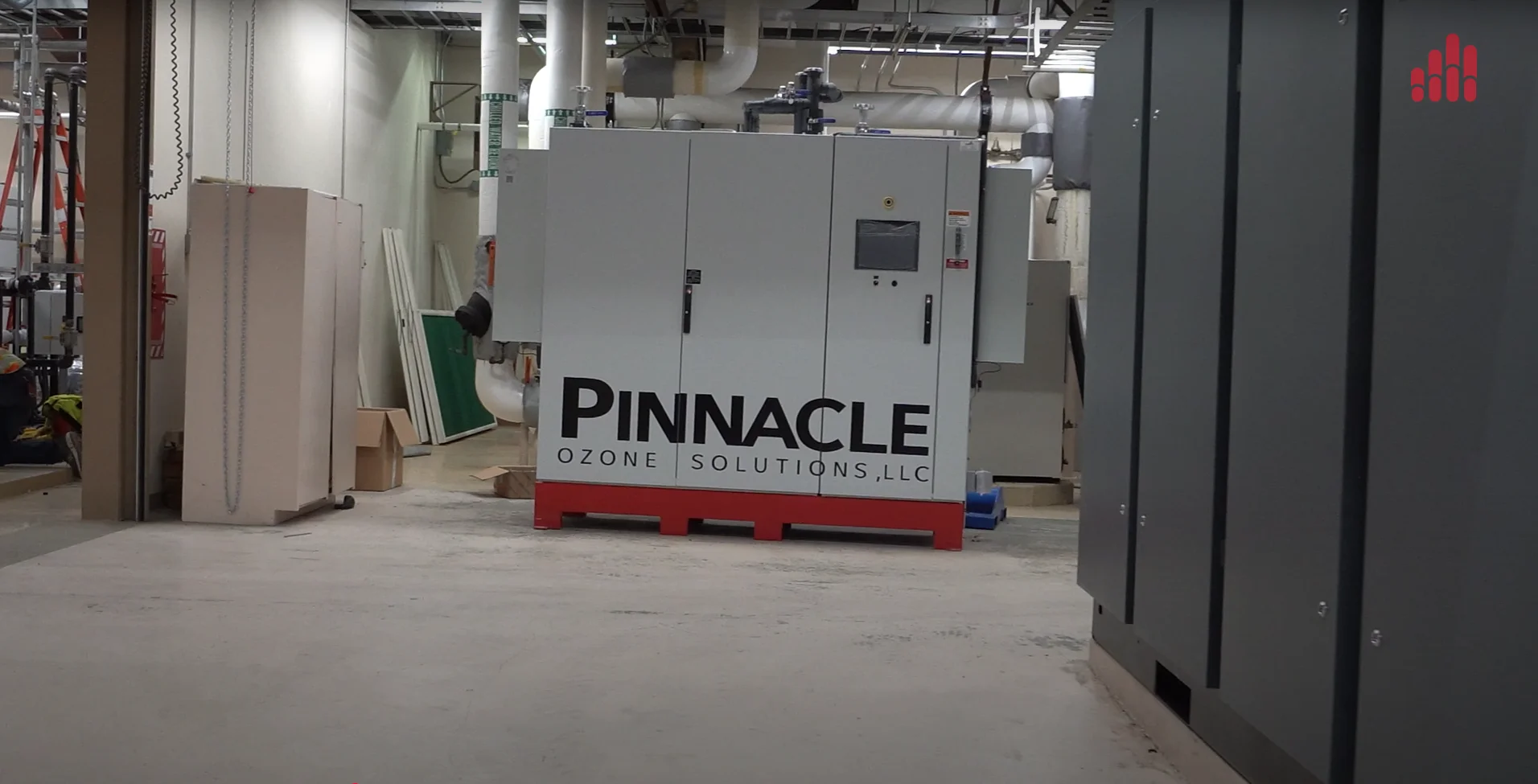
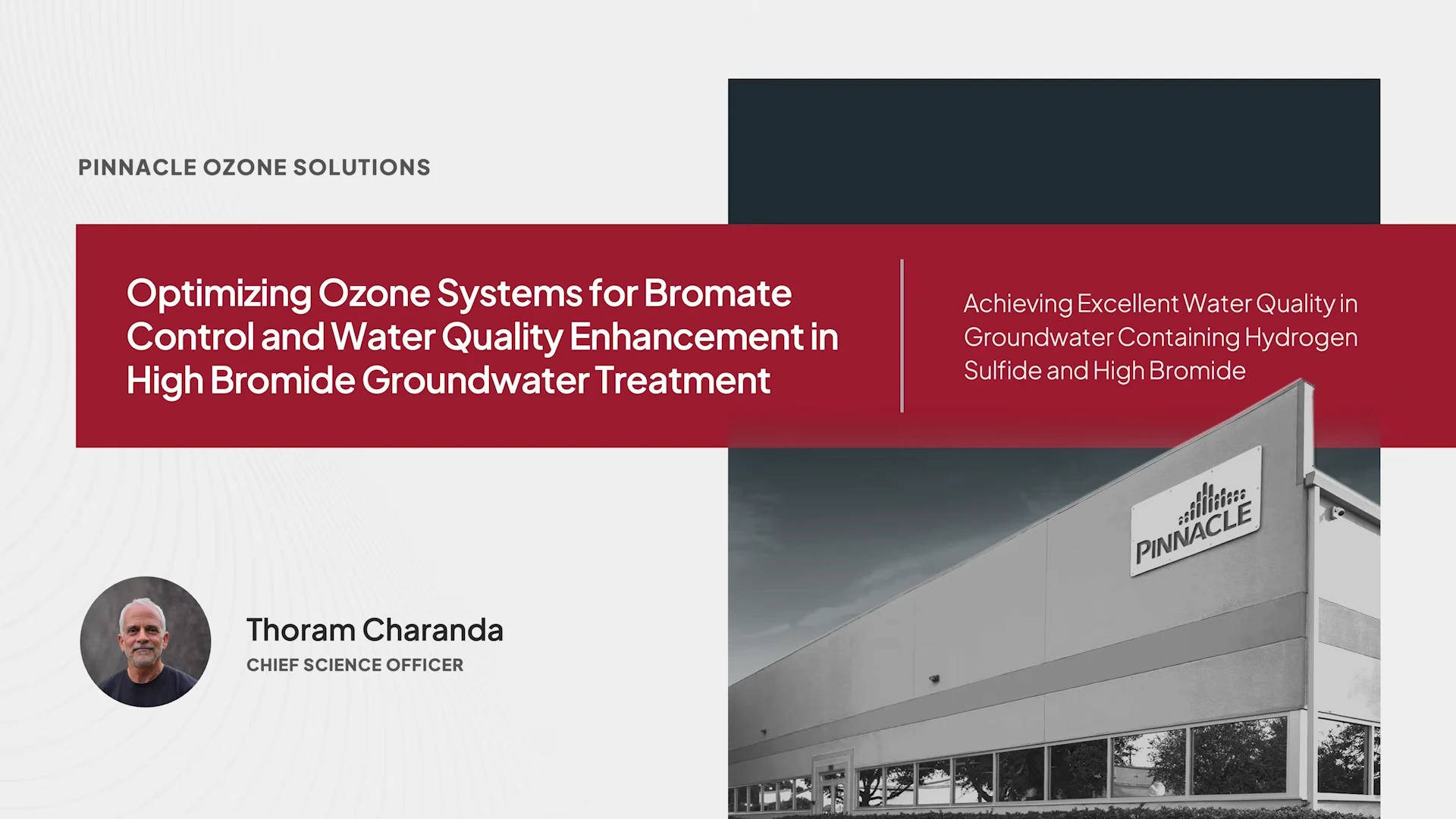
How do you treat groundwater with both high hydrogen sulfide and high bromide without exceeding the bromate MCL? In this Pinnacle Academy episode, Thoram Charanda, Chief Science Officer at Pinnacle Ozone Solutions, walks through a real municipal water treatment plant case study: a 4.6 MGD groundwater facility using ozonation followed by BAC filtration.
Bench studies showed bromate could be held under 10 µg/L, but the full-scale plant saw recurring events of 10 to 19 µg/L. Thoram breaks down how the team traced the gap between lab results and plant reality, and what fixed it.
He covers the source water chemistry (H₂S at 1 to 2 mg/L and bromide up to 235 µg/L), benchtop ozone demand results, and bromate formation kinetics across different ozone doses. From there, he looks at how reduced plant flow changed contact time and mixing energy, and why probe placement and sensor response delayed dose control by up to 3 minutes. The solution was relocating to an ORP insertion probe with sub-second response.
The bottom line: bromate control isn’t just a chemistry problem. Validate the water chemistry, interrogate the hydraulics, and make sure you’re controlling the right signal.





Related Videos